
If there's one audio brand we keep seeing everywhere, it’s RODE. This Australian company has become a favorite in music studios, home setups, and video shoots. Over the years, they’ve earned our trust by delivering reliable sound, whether we’re professionals or just love creating on the side.
What we like about Rode is that they’re always innovating. Their mics stay solid and clear, and they’ve managed to keep prices accessible for most of us. Of course, they also offer higher-end gear when we need something more advanced. Lately, they’ve expanded into wireless mics and creator-friendly tools that make streaming and recording easier than ever.
Finding the right mic starts with knowing how we plan to use it. Are we recording vocals in a studio? Filming content on the go? Just trying to upgrade our video calls? It helps to think about the setting, the kind of sound we want, and the features we care about. Things like build quality, sound pickup, and how the mic connects with our setup can make a big difference.
In this guide, we’ve rounded up our top picks for the best Rode microphones in 2025. We reviewed the newest models, key updates, and real feedback from creators who use them every day. Whether we’re producing music, recording podcasts, making videos, or hopping on calls, there’s a Rode mic that fits our needs.
Quick List of the Top Rode Microphones
- Rode NT1 5th Gen Studio Mic – Best Overall
- Rode VideoMicro – Best Budget Rode Mic
- Rode VideoMic Pro+ – Best Rode Mic for Camera
- Rode NT1 Signature Series – Best Rode Studio Mic
- Rode Procaster Broadcast Mic – Best Rode Mic for Podcast
- Rode NT-USB Mic – Best Rode USB Mic
- Rode PodMic – Best Rode Budget Podcast Mic
- Rode NTG5 Shotgun Mic – Best Rode Shotgun Mic
- Rode Lavalier GO Mic – Best Rode Lavalier Mic
- Rode M5 Matched Pair – Best for Stereo Instrument Recording
10 Best Rode Microphones
We’ve rounded up our top Rode microphone picks, organized by how we actually use them. Whether we’re recording in the studio, podcasting, filming videos, or working on the go, there’s something here for all of us. Each pick includes a quick reason why it stands out and who it’s best for, so it’s easy to find what fits our setup.
Rode NT1 5th Gen Studio Mic

If we’re looking for pro-level sound and a simple setup all in one box, the Rode NT1 5th Gen is one of our top picks.
Pros
- Delivers clear, rich sound with almost no background noise
- Connects with both USB and XLR, so it's flexible
- Built like a tank, with a solid, durable feel
Cons
- No built-in headphone jack for quick monitoring
- Needs a treated room to sound its best
- USB cable could be a bit longer
We’ve spent some solid time with this mic, and it impressed us right away. Whether we were tracking vocals, playing acoustic guitar, or recording voiceovers, the audio came out full and clean. It plugged straight into a laptop for quick sessions, and when we switched to XLR in the studio, it fit right in with our gear.
Compared to other mics we’ve tested, this one really keeps background noise down. The strong output made sure our voice came through clearly, even when we pushed the volume a bit. The metal build also gave us confidence it could take the usual wear from long sessions or even travel.
Sure, we missed having a headphone jack for instant monitoring, but we worked around that easily with our audio interface. Plus, the included shock mount and pop filter saved us time and helped cut out any unwanted noise. From unboxing to recording, everything felt smooth.
If we could only pick one mic to handle different setups and styles, the Rode NT1 5th Gen would be high on our list.
You might also like: Shure SM7B vs Rode NT1: Which Microphone is Best for You? | Shure SM7B Review
Rode VideoMicro

We’re big fans of the Rode VideoMicro when we need better sound fast without having to mess with a bunch of gear. It’s one of those mics that just works when we’re in a hurry or out and about with a camera.
Pros
- It’s super lightweight and easy to mount on cameras
- Captures clear audio from right in front of us
- No batteries to deal with, which makes things easier
Cons
- Doesn’t block out much side noise
- Not ideal for group vocals or wide room recordings
- The short cable can be limiting, depending on the setup
Setting this mic up is a breeze. We just plug it in and go. No batteries to worry about, no menu diving, no fuss. It fits great on our mirrorless camera or phone rig, and we love that it stays out of the way. It keeps things light and easy, which matters when we’re shooting on the move.
It does a solid job cutting out background noise from behind, which helps when we’re filming solo or recording quick clips on stage. We don’t have to think twice about settings. It’s literally plug in, hit record, and focus on the music.
Now, if we’re in a noisy room or surrounded by people, it might pick up more than we’d like. But for its size, price, and simplicity, this little mic is tough to beat. If we’re looking for an upgrade that improves audio without adding stress, the Rode VideoMicro is a great place to start.
Rode VideoMic Pro+

When we’re aiming for clean, professional audio in our video work without the usual hassle, the Rode VideoMic Pro+ really steps up.
Pros
- Clear sound that blows built-in mics out of the water
- Quick battery swaps, which helps during long shoots
- Auto power-off, so we don’t accidentally drain the battery
Cons
- Feels a bit bulky on smaller cameras
- Needs adapters to work with phones
- It’s definitely not the cheapest option out there
We’ve used this mic on a few shoots now, and the sound quality is a big jump from the basic stuff. It captures rich, focused audio while blocking out a lot of the noise we don’t want. The mic itself feels solid and travel-ready, so we don’t worry about tossing it into a packed gear bag.
One of our favorite features is the new battery door. Swapping batteries takes seconds, which is a game changer when we’re on a tight schedule. The auto power-off has also saved us more than once when we forgot to turn it off. Small thing, but super helpful.
It works best with DSLRs or mirrorless setups, but if we’re planning to use it with a phone, we’ll need a few extra cables or mounts to make it work. Outdoors, the built-in windscreen and suspension system help reduce rumbles and wind noise, so we can keep recording without constant cleanup in post.
If we’re serious about video content and want sound that matches our visuals, the Rode VideoMic Pro+ is a strong pick. It’s an investment, but for what it delivers, we’d say it’s worth it.
Rode NT1 Signature Series

If we’re after a well-balanced studio mic that works across different styles, the Rode NT1 Signature Series is a solid choice.
Pros
- Clean sound with very low self-noise
- Works beautifully on vocals and instruments
- Built tough, and it comes with useful extras
Cons
- Requires an audio interface (no USB option)
- Not exactly lightweight
- The shock mount takes up quite a bit of space
Right out of the box, the NT1 Signature Series feels like quality. The metal body gives us confidence it’ll last through daily sessions in the studio.
When we tried it out for vocals and guitar, the sound came through rich and clear. Nothing felt harsh or tinny. That low self-noise really made a difference, letting our vocals sit clean in the mix without picking up too much background sound.
Rode also packs in some nice extras. With the shock mount, pop filter, and XLR cable included, it’s ready to drop into our setup without needing to buy anything else. We do need an audio interface to get going, but the sound we get from this mic makes that small extra step totally worth it.
The only thing we had to work around was the size of the shock mount. It can feel bulky if we’re working in a tight space. But overall, this mic delivers way more than we expected for the price. Whether we’re recording vocals, instruments, or both, the Rode NT1 Signature Series feels like a mic we’ll keep coming back to.
Read more: Rode NT1-A Condenser Microphone Review
Rode Procaster Broadcast Mic
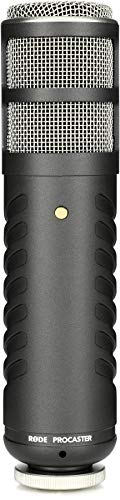
If we’re looking for a mic that gives us clear, focused vocals with less background noise, the Rode Procaster is one we keep coming back to.
Pros
- Cuts out background noise so our voice comes through clean
- Built-in pop filter helps smooth out plosives
- Solid and durable build that feels made for serious use
Cons
- Needs a preamp to get enough gain
- Heavier than most desk mics
- Might not be the best choice for softer voices
We’ve used the Rode Procaster Broadcast Mic for a mix of voice work and streaming, and it always gives us clean, warm sound. It blocks out a lot of the extra room noise, so we don’t have to worry about fans, keystrokes, or background chatter slipping into our recordings.
The mic has some weight to it, and we actually like that. It feels solid on our boom arm or desk mount and holds up well through long sessions. The internal pop filter is another bonus. It smooths out those harsh consonants that usually sneak into recordings and saves us time during editing.
The only real challenge we’ve had is with gain. This mic needs more power than most basic setups provide. Once we paired it with a preamp or a high-gain audio interface, the sound opened up and gave us that full, broadcast-quality tone we were aiming for.
Overall, the Rode Procaster is a strong choice if we want a simple, reliable microphone that delivers crisp, professional voice recordings without a bunch of extra gear or features we won’t use.
Rode NT-USB Mic

If we’re looking for a simple studio mic we can just plug in and use for vocals, podcasts, or even music, the Rode NT-USB Mic is a great place to start.
Pros
- Clean, rich sound for both voice and instruments
- Built-in pop filter that helps cut out sharp plosives
- Works with PC, Mac, and iPad, so it’s super flexible
Cons
- It can pick up background noise if we push the gain too high
- We’ll need a USB adapter to use it with an iPad
- The tripod stand works but feels a little basic
We’ve used the Rode NT-USB Mic in everything from bedrooms to home studios, and it consistently gives us solid, professional-quality sound. It’s especially helpful for vocals and spoken word, and the included pop filter makes a big difference in reducing those harsh “P” and “B” sounds.
One of the things we like most is how easy it is to get started. No fancy interface or software needed. Just plug it into our computer or iPad, set the gain, and we’re ready to record. The mix control knob is a nice bonus too, letting us balance our live input with playback when we’re laying down tracks.
If we’re in a noisy space, we just have to be a little careful with the gain levels, since it can pick up extra sounds from the room. That said, for what it offers, the value is hard to beat. It even comes with a pop filter and a stand, which saves us from buying more gear right away. The tripod is fine for basic desk setups, but if we’re moving around a lot, we might want to upgrade later.
For anyone starting out with podcasting, vocals, or home recording, the Rode NT-USB Mic makes it easy to get great sound without a complicated setup.
Related: Best Budget USB Microphones
Rode PodMic

The Rode PodMic quickly became one of our go-to mics when we wanted clear, rich sound without spending a fortune.
Pros
- Delivers balanced, warm sound for vocals
- Sturdy build that feels like it will last
- Internal pop filter handles plosives really well
Cons
- No USB option, so it needs an audio interfac
- Needs a good audio interface for best sound
- It’s a bit on the heavy side
The first thing we noticed is how sturdy this mic feels. It’s got some weight to it, which actually gave us confidence that it could handle daily use without any trouble. Mounting it to a boom arm felt stable, and the adjustable yoke made it easy to get the right angle.
When it comes to sound, we’ve been really happy with the way the PodMic captures our voice. It adds a nice depth and smoothness, whether we’re podcasting, recording voiceovers, or streaming. And since it already has an internal pop filter, we don’t need to fuss with extra covers or foam.
Because it’s an XLR mic, we do need to pair it with a good audio interface. We’ve found that using it with something like the RODECaster Pro brings out even more clarity and detail. We’d still love a USB version for quick plug-and-play setups, but the sound quality here makes the extra gear worth it.
For anyone who’s getting serious about their voice recordings, the Rode PodMic is a great pick. It’s strong, reliable, and delivers that professional sound we all want. As long as your setup can support it, this mic won’t let you down.
You might also like: Best Microphones for Recording Voice Over
Rode NTG5 Shotgun Mic

The Rode NTG5 Shotgun Mic Kit is what we reach for when we want pro-level sound without the stress, especially for film shoots and on-location work.
Pros
- Super lightweight, which helps during long shoots
- Crisp sound with very little background noise
- Comes as a complete kit, so we’re ready right out of the box
Cons
- It’s a pricey investment if we’re just starting out
- Needs an XLR recorder or interface to use
The shorter length might not be ideal for large production crews
Right away, we noticed how light this mic is. That makes a big difference when we’re holding a boom pole for hours or following talent across a scene. Our arms definitely thanked us.
Sound-wise, the NTG5 gives us that clean, natural audio we’re always chasing. Vocals come through clear without any odd hums or hiss. We also found it blocked out a lot of background noise, which helped us cut down on editing later.
The kit includes everything we need to get started. We’re talking a grip, a windshield, and other extras that actually come in handy when we’re out in the field. Whether we’re filming in the rain or dealing with dust, it held up without giving us any trouble.
If we’re working solo or need a mic that’s easy to move with, this one really fits the bill. It isn’t the cheapest option out there, but for serious creators who care about great sound, the Rode NTG5 Shotgun Mic Kit is worth the upgrade.
Related: Best Boom Microphones
Rode Lavalier GO Mic

When we need a lav mic that’s simple, clear, and built for daily use, the Rode Lavalier GO is one we keep coming back to.
Pros
- Crisp and natural sound that captures voices accurately
- Lightweight and discreet when clipped to clothing
- Pairs perfectly with Rode Wireless GO systems
Cons
- The cable can tangle if we pack it up too quickly
- We’ll need a 3.5mm adapter for phones or laptops
- It’s a bit pricier than other clip-on mics
One thing we’ve always appreciated is how fast it is to set up. Even when we’re rushing before a shoot or working in low light, it clips on quickly and doesn’t get in the way. Whether we’re recording interviews, live streaming, or filming vlogs, this mic just works without giving us trouble.
We’ve tested it across multiple setups, including DSLR cameras and the Rode Wireless GO. Every time, it gave us clean audio without any hiss or buzzing. The cable also feels rugged, like it can handle being pulled or twisted a bit without falling apart.
That said, if we don’t take the time to wrap it up properly, the cable can get messy. And for newer phones or laptops, we’ll need an adapter that’s not included in the box. Still, for the sound quality and reliability, we think it’s worth spending a little more.
If we care about keeping our setup clean and low-profile, the Lavalier GO blends right in. It sounds great, feels durable, and keeps our workflow stress-free. At this point, it’s one of those tools we always have packed and ready to go.
Read more: 9 Best Lavalier Microphones
Rode M5 Matched Pair

When we’re recording acoustic instruments or live sessions on a budget, the Rode M5 matched pair gives us clean, reliable sound without cutting corners.
Pros
- Natural and detailed audio that picks up the real feel of a room
- Lightweight and compact, which makes setup a breeze
- A budget-friendly option that works well in small studios
Cons
- No storage case included in the box
- Requires phantom power, so not ideal for every setup
- The highs can get a little sharp without some EQ
We’ve used the M5s on acoustic guitars, vocals, and even a bit of percussion during our last few sessions. Setting them up for stereo capture brought out the space in the room without making things sound too wide or washed out. The clarity was there right away, and we didn’t have to fight to fit them into the mix.
The build feels solid but not bulky. They’re easy to pack, and even after tossing them in a backpack all week, they still looked great. The mic clips hold firm, and the included windshields helped cut fan noise without messing with the tone too much.
Yes, the top end can be a bit bright, especially with softer sources like choirs or fingerpicked guitar. A little EQ fixes that fast. We do wish they came with a proper case for travel, but for home studios or fixed setups, they’re dependable and easy to reach for.
If we’re after a small-diaphragm mic pair that sounds great, fits our budget, and doesn’t give us a headache during setup, the Rode M5 set is one we’re happy to keep in our rotation.
How to Choose the Right Rode Microphone for Your Needs
We know how overwhelming it can feel trying to choose the right Rode microphone. With so many models, it helps to focus on a few important things. Let’s think about what we’re recording, where we’re recording, how we want to connect, and what fits our budget.
Identify Your Primary Use Case
Let’s start with what we’re planning to record. That alone helps narrow things down fast.
Podcasters and streamers need mics that keep voices clear and reduce background noise
Musicians need something that handles loud vocals, amps, or drums without distortion
Filmmakers and interviewers need mics that stay hidden or pick up sound from a distance
Vloggers want something lightweight and easy to mount on a camera
Voiceover artists look for crisp and focused sound
Once we know our main use, we can cut out the options that don’t fit.
Understand Microphone Types
Rode makes a variety of microphone types. Each one has its strengths depending on the job.
Dynamic mics are tough, good for loud environments, and don’t pick up a lot of background sound. Great for live shows and untreated rooms
Condenser mics pick up every detail. They sound amazing in studios or quiet, treated spaces
Shotgun mics are long and narrow. They focus on one sound source, perfect for video and film work
USB mics plug right into a laptop or tablet. No extra gear needed, great for beginners or simple home setups
Lavalier mics clip onto clothing. They’re small, easy to hide, and ideal for interviews or stage use
Choosing the right type helps us avoid paying for features we don’t need.
Consider Your Recording Environment
The space we record in makes a big difference. Rooms with bare walls or hard floors can create echoes and bounce sound around. Noise from fans, street traffic, or neighbors can also sneak into our recordings.
Dynamic mics are better for untreated rooms since they block out more ambient noise
Condenser mics are more sensitive and work best in sound-treated spaces with carpets or foam
Shotgun mics help isolate one voice in noisy environments, which is great for filming on location
In a quiet studio, most mic types can work well. The key is matching the mic to the space we’re working in.
Connection & Compatibility
Before we buy, let’s make sure the mic will work with the gear we already have. Here’s a quick comparison:
| Connection Type | What You Need | Best For |
|---|---|---|
| USB | Nothing extra | Laptops, tablets, home setups |
| XLR | Audio interface or mixer | Studios and pro recording |
| Wireless | Receiver unit | Cameras and field recorders |
If we want a fast and simple setup, USB mics are a great choice. They’re ideal for streaming, video ca
Tags
best rode microphones, rode microphone reviews, top rode microphones, what is the best rode microphone