
Finding the best mic for recording vocals can make a real difference in how your music sounds. A solid microphone does more than capture your voice. It picks up the tone, depth, and small details that plugins just cannot recreate. From quiet verses to big powerful choruses, the right mic helps your vocals sit confidently in the mix.
As home studios have become more common, we have seen more artists record great sounding tracks without stepping into a professional studio. The global recording studio gear marketwas valued at about $1.8 billion in 2023 and is projected to grow to $3.2 billion by 2032. That kind of growth shows how much easier it is now to get good sound gear even when you are working in a small room at home.
With so many microphones to choose from, it is easy to feel overwhelmed. You will see everything from affordable dynamic mics to high end condenser models. The key is choosing a mic that works well with your voice, your space, and your budget. That is how you get clean, warm vocals that sound right in almost any mix. We tested popular options like the Rode NT1 and Audio Technica AT2020 to help narrow things down.
If you are also setting up or upgrading your recording space, this guide on the best microphones for home studio breaks down solid options that work well in real home recording environments. It is a helpful next step before you hit record.
Quick List of the Top Microphones for Recording Vocals
- RØDE NT1 5th Gen - Best Overall Vocal Microphone
- Audio‑Technica AT2020 - Best Budget Vocal Microphone
- Shure SM7B - Best Dynamic Mic for Vocals
- AKG C414 XLII - Best Professional Studio Vocal Microphone
- Aston Origin Mic - Best Mid‑Range Vocal Mic
- Shure SM58 - Best Live & Studio Hybrid Vocal Mic
- Avantone CV-12 Tube Mic - Best Tube Vocal Microphone
- Electro-Voice RE20 - Best Vocal Mic for Rap & Spoken Word
- Neumann U 87 Ai - Best High‑End Vocal Microphone
Best Mics for Recording Vocals
We have tested a lot of microphones to find the ones that truly bring out a clear and full vocal sound. Below are our top picks for singers and creators who want pro-level sound without having to guess which mic will actually work.
RØDE NT1 5th Gen

We see the RØDE NT1 5th Gen as a solid choice for anyone who wants clean and polished studio vocals.
Pros
- Warm and smooth sound with excellent noise control
- Dual USB and XLR outputs that work with almost any setup
- Strong build that feels reliable and long lasting
Cons
• A bit heavy if you plan to travel with it
• Needs a pop filter for close vocal recording
• Priced higher than basic beginner mics
When we first recorded with the NT1 5th Gen, what stood out right away was how clean everything sounded. It captured small details in our vocals without picking up unwanted noise, which made mixing much easier. Even softer vocals still sounded full and natural.
Setup was simple and fast. We used the XLR connection in our main studio and switched to USB when recording on the go. The built-in preamp provided plenty of gain without adding hiss, so we did not need much tweaking to get a balanced vocal take.
In person, the mic feels like quality gear. It has a solid weight, a durable finish, and a mount that stays secure during sessions. We also liked how well it worked beyond vocals, especially for acoustic guitar and piano recordings.
If you are comparing this model with older versions, this RØDE NT1-A microphone review breaks down how the sound and features differ. You can also explore more options in this guide to the best RØDE microphones if you want to see how the NT1 5th Gen stacks up against other models in the lineup.
If you are looking for a reliable, modern microphone that delivers consistent studio results, the RØDE NT1 5th Gen is an easy recommendation.
Audio‑Technica AT2020

If you are putting together a home studio and want something reliable without spending too much, the Audio Technica AT2020 is a smart option to consider.
Pros
- Clear sound that works well for vocals
- Solid metal body that feels durable
- Handles louder voices without distortion
Cons
- Requires an audio interface to use
- Can pick up room noise if your space is not treated
From our first recording session, the mic sounded balanced and natural through our setup. The high end came through clearly without sounding sharp, and the low end stayed tight and clean. It felt comfortable to use, even during longer sessions.
What we really liked was how open our vocals sounded without needing much EQ. The AT2020 also handled louder singers with no problem, which is impressive for its price. In smaller rooms, you may notice some room sound, but careful mic placement and a simple pop filter can help keep things under control.
After testing it on both vocals and acoustic guitar, the mic held up well. The metal housing feels built to last, and it never came across as flimsy. If you are pairing this mic with studio headphones, this audio-technica ath-m50x review is a helpful read to see how they perform for tracking and mixing.
For an entry-level condenser, the Audio Technica AT2020 delivers strong performance and easily earns a spot in a home studio setup.
Shure SM7B
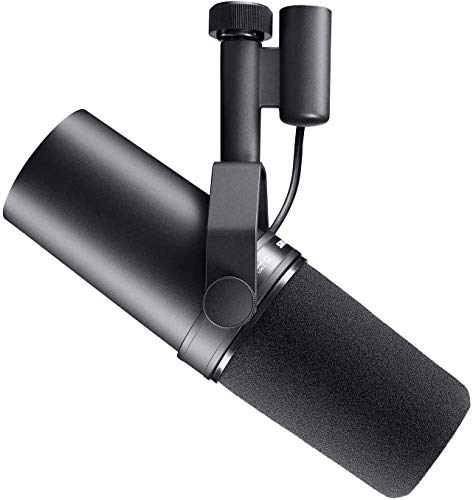
If you are after smooth, controlled vocals and strong noise rejection, the Shure SM7B is a mic many of us end up trusting.
Pros
- Keeps background noise low even in untreated or open rooms
- Tough metal build that feels built to last
- Delivers a clear sound that works across many voice types
Cons
- Needs a solid preamp to get enough gain
- Heavier than most mics and can strain lighter stands
From our first recording session, the sound felt tight and focused. It did a great job ignoring fan noise and desk sounds, which saved us time during editing. The tone came through warm and full, even before we touched any EQ.
Using the Shure SM7B feels like working with true professional gear. The onboard controls made it easy to shape the sound without relying on software. We switched between the presence boost and flat settings, and each worked well depending on the vocal style.
In real-world sessions, this mic handled both vocals and guitar amps without adding harsh highs. Paired with a clean preamp, the mids opened up in a way budget mics simply cannot match. For close vocal work, the built-in pop filter controlled plosives smoothly.
If you want a deeper look at how this mic performs, this detailed Shure SM7B review breaks down its strengths and limitations. If you are comparing other mics in the same class, this list of sm7b alternatives is helpful for finding similar options at different price points. We also compared it with a condenser mic in this Shure SM7B vs RØDE NT1 comparison, which highlights how the sound and use cases differ. And since gain is important with this mic, this guide to the best audio interface for sm7b can help you choose the right setup.
If you record in a home studio or podcast space, this mic justifies its price. It rewards good setup and quality gear while still delivering solid sound from the start.
AKG C414 XLII

If you want clear, detailed vocals with a more professional sound, the AKG C414 XLII is a strong option to look at.
Pros
- Crisp and detailed sound that works across many vocal styles
- Nine polar patterns that give you a lot of flexibility
- Solid metal build that feels durable and well made
Cons
- Priced higher than most home studio microphones
- Takes careful setup to get the best results
- Can pick up room noise if the space is not treated
From our first recording session, the depth in the vocals stood out right away. The sound felt open and natural, without sharp highs or muddy lows. Even before adding EQ, each note sat nicely in the mix.
When we tested it on both lead vocals and acoustic guitar, the polar pattern options made a real difference. Switching between patterns was easy, and the tone stayed balanced whether we were recording in a tighter space or a more open room.
We also appreciated the small details that make sessions smoother. The built-in peak indicator helped prevent clipping, and the included shock mount and pop filter did a great job controlling plosives and low-end rumble.
If you are comparing this model with others from the same brand, this guide to the best AKG microphones is a helpful place to see how it stacks up across different recording needs.
For more serious recording work, the AKG C414 XLII offers the clarity and flexibility we rely on to capture clean vocals that translate well in professional mixes.
Aston Origin Mic
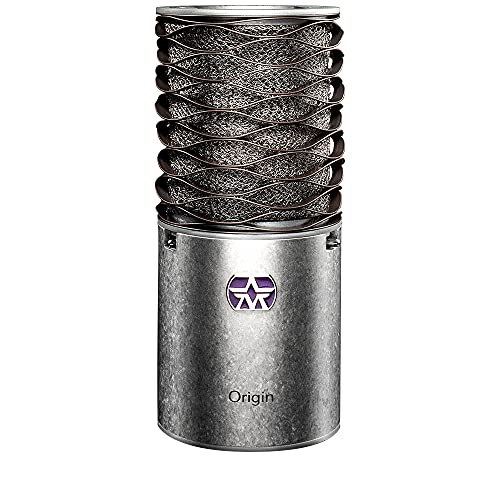
If you want a microphone that balances clarity, tone, and solid build quality, the Aston Origin is worth a close look.
Pros
• Crisp and warm sound that works well for both male and female vocals
• Strong steel body that feels durable and professional
• Built-in pop filter that does a good job controlling breath noise
Cons
• Can pick up room sound in untreated spaces
• Slightly heavier than some mics in the same price range
• Mount can feel snug on certain stands
After a few vocal takes, the midrange stood out right away. It sat naturally in the mix, and the high end came through smooth without sounding sharp or brittle. We did not need much EQ, which saved time during mixing.
The mesh head design is not just for looks. It helps keep the sound open and clear while also protecting the capsule better than many external pop filters. The included mount works well overall, though angled setups can take a bit of adjusting.
During longer sessions, the mic handled gain cleanly with no unwanted noise. We also liked how solid it felt in hand, with no plastic parts or loose pieces. If you want a deeper breakdown of how this mic performs, this detailed Aston Origin microphone review covers its sound and build in more depth. For those comparing models, this Aston Origin vs Spirit comparison highlights the key differences in tone and features. You can also check out this overview of the Aston Spirit condenser microphone if you are deciding between the two.
Overall, the Aston Origin delivers a polished sound at a fair price, making it a great fit for home studios and smaller recording spaces.
Shure SM58

If you record or perform vocals on a regular basis, the Shure SM58 is one of those microphones you can always count on.
Pros
- Natural sounding tone that works well for most voices
- Extremely durable and built to last for years
- Handles loud vocals without breaking up
Cons
- Needs an audio interface or mixer
- Heavier than some handheld microphones
- Not ideal for very quiet studio recordings
The first time we plugged in the SM58, the sound felt full and balanced right away. It does not boost the highs or lows too much. Instead, it gives you a clean and even vocal tone that works for a wide range of singers. It also does a great job rejecting room noise, which helps a lot if your space is not fully treated.
This mic has taken a few drops over the years and still performs like nothing happened. The metal body and sturdy grille are made for real use, whether that is on stage or in a home recording setup. It feels reliable in a way that many mics do not.
One thing to consider if you are comparing similar handheld mics is the difference between the Shure SM48 and SM58. That comparison can help you decide which model makes more sense for your recording or performance needs.
The main thing to keep in mind is that you will want a decent preamp to get the best sound out of it. Once you have that dialed in, the SM58 keeps your vocals tight and clear without any extra fuss. If you want a true workhorse mic that stays consistent session after session, this one is hard to beat.
Avantone CV-12 Tube Mic
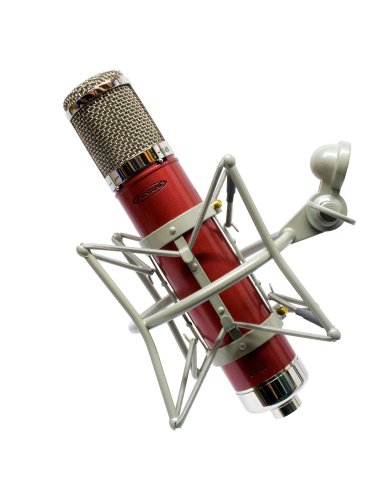
If you are after warm, clear vocals with a classic feel, the Avantone CV-12 is a mic worth spending time with.
Pros
- Full and smooth sound with a nice midrange lift
- Nine pickup modes for flexible use
Cons
- Requires an external power supply and extra cables
- Can sound a little bright on certain voices
From the first vocal take, the CV-12 added a rounded tone that sat comfortably in the mix. The tube character helped smooth out harsh notes while keeping the top end clear and detailed. In hand, it feels heavy and well built, like proper studio gear meant to last.
Switching through the pickup patterns gave us a lot of control. One setting worked well for focused solo vocals, while another opened things up nicely for acoustic guitar. It really did feel like having more than one mic available.
Setup took a bit longer than a typical condenser mic. Once the power supply and cables were connected, everything ran smoothly with no extra noise. For the price, the sound quality holds its own against microphones that cost much more.
If you are comparing tube options, this roundup of the best tube mics is a helpful way to see how the CV-12 stacks up against other popular models.
We would recommend the Avantone CV-12 to singers who want that smooth, classic tube sound without paying top-tier studio prices.
Electro-Voice RE20

If you care about rich vocal tone and a microphone that feels built to last, the Electro Voice RE20 is one worth considering.
Pros
- Clear and warm sound that works well for many voices
- Extremely durable build that feels solid and well balanced
- Handles close vocal work without heavy bass buildup
Cons
- Priced higher than beginner microphones
- Heavy for lighter mic stands
- Needs plenty of clean gain from your preamp
From the moment we set it up, the RE20 stood out. The broadcast-style design feels solid, and once we started recording, the sound came through full and smooth. It needed very little EQ and already sounded polished right out of the box.
During sessions, the Variable-D design really showed its value. Even when singers moved closer or stepped back, the tone stayed consistent. That made tracking vocals easier and more natural. It also worked great for podcasting, delivering a focused sound with nice depth.
This mic is not small or lightweight, and it is not cheap either. We had to secure the stand more than usual to keep everything steady. Still, once we heard the results, the extra effort felt worth it. For anyone serious about recording vocals, the Electro-Voice RE20 easily earns its place in a studio setup.
Neumann U 87 Ai

If you are chasing that clean, full studio vocal sound, the Neumann U 87 Ai is one of those microphones that sets the standard.
Pros
- Smooth and detailed tone that works well with most voices
- Solid build that feels made for long-term use
- Switchable polar patterns that give you more recording control
Cons
- Expensive compared to midrange microphones
- Needs a quality mic preamp to sound its best
- Larger body can be tricky on smaller stands
When we recorded with the U 87 Ai in our vocal booth, the sound came through rich and natural. It picked up small details in the performance, which made mixing later much easier. There was a warmth to the vocals that many cheaper mics simply do not capture.
The different pickup patterns made it easy to adapt between sessions. Cardioid worked great for solo vocals, while figure eight helped control bleed during duet recordings. That flexibility is a big reason this mic shows up in so many professional studios.
If you want to go deeper into Neumann’s classic series, this Neumann U87a review breaks down the design and sound of the original model and how it shaped recording standards. You can also explore more options in this guide to the best Neumann microphones to see how different models compare for various recording needs.
There is no hiding the price, but the quality backs it up. For artists building a serious recording setup, the Neumann U 87 Ai feels like a long-term investment rather than a temporary upgrade.
What to Consider When Choosing a Vocal Microphone
Vocals sit at the center of almost every track, so choosing the right microphone really matters. The mic you use affects tone, clarity, and how natural your voice feels in the mix. A good match can save time later and make recording more enjoyable from the start.
Microphone Type: Condenser vs Dynamic
Condenser microphones use powered capsules that pick up fine detail and higher frequencies. They work best in controlled spaces where you want every nuance to come through. We usually reach for condensers when we want clean, open vocals that blend well in a full mix.
Dynamic microphones handle loud voices easily and do a better job rejecting background noise. They are tougher, more forgiving, and great for home studios or live recording. While they may not sound as airy as condensers, they shine when the room is less than perfect.
In treated rooms, a large diaphragm condenser often delivers the best results. In noisy or untreated spaces, a dynamic microphone can help keep unwanted sounds out of your recording. The right choice depends on both your space and how you plan to record.
Related: What are the Different Types of Microphones?
Your Recording Environment
The room you record in affects your sound more than most people expect. Hard walls and open spaces create reflections that change the tone of your vocals. Even the best microphone struggles when room echo or background hum gets in the way.
For home studios, mic choice becomes even more important. A cardioid dynamic mic often works better in rooms without acoustic treatment. In treated or professional studios, condensers can bring out more detail and texture.
Small changes help too. A rug on the floor or a foam panel behind the singer can reduce echo. Whether you are recording in a closet or a booth, room treatment and mic choice always work together.
Vocal Style and Voice Type
Every voice is different. Soft singers and spoken word performers often benefit from sensitive condensers that capture warmth and detail. Louder styles like rock or hip hop usually need a mic that can handle power without sounding harsh.
Genre plays a role as well. Pop vocals often sound better with a mic that adds brightness and presence. Jazz or folk vocals usually work best with smoother, more balanced microphones.
Think of microphones like shoes. They fit every voice differently. Trying a few options and matching their sound to how you actually sing makes mixing much easier later.
Polar Patterns Explained
Microphones pick up sound in specific ways, known as polar patterns. Cardioid mics focus on sound from the front and reject the back, which makes them ideal for solo vocals. Omnidirectional mics capture sound from all directions and work well for natural room sound, but they can be risky in noisy spaces.
Figure eight patterns pick up sound from the front and back while rejecting the sides. These work well for duets or face to face recording setups.
When isolation matters, cardioid is usually the safest choice. For live feel or multiple voices, omni or figure eight can work better. Choosing the right pattern helps avoid room noise and bleed.
Frequency Response: Flat vs Colored Sound
Frequency response shows how a mic handles lows, mids, and highs. A flat response keeps things neutral and gives you more control during mixing. A colored microphone boosts certain frequencies, such as adding warmth or brightness.
A little color can help. A gentle presence boost can add clarity to softer vocals. Too much boost, though, can turn harsh once effects are added.
Looking at a mic’s frequency response gives you a good idea of whether it will cut through a mix or sit back smoothly.
Sensitivity and Self Noise
Sensitivity describes how easily a microphone picks up quiet sounds. High sensitivity captures detail but also room noise. Lower sensitivity offers more control when vocals are loud.
Self noise is the faint hiss created by the mic itself. Quality condensers usually keep this very low, often under 10 dB. Cheaper mics may introduce more noise, which can hide softer parts of a performance.
For quiet vocals or acoustic recordings, low self noise makes a big difference in keeping takes clean.
Maximum SPL Handling
SPL, or Sound Pressure Level, tells you how loud a sound a mic can handle before distorting. Loud singers or aggressive vocal styles need microphones that can manage high SPL levels.
Some microphones include pads to lower the input level and prevent clipping. Others add high pass filters to reduce low rumble from breath or movement.
Knowing a mic’s SPL limits helps avoid distortion and saves time on retakes.
Budget and Value
Budget always plays a role. Entry level microphones can sound great with good technique. Mid range mics usually offer better parts and lower noise. Pro level microphones bring consistency and durability, though the improvement can be subtle.
Spending wisely matters more than spending big. A treated room and proper mic placement often improve sound more than upgrading gear. The goal is balance. Buy what fits your needs now while leaving room to grow later.
Versatility Beyond Vocals
Some microphones work well on more than just vocals. Large diaphragm condensers often handle acoustic guitar, room recordings, and voice work. Dynamic mics work great on amps and drums while still handling vocals.
These multipurpose mics save money and space in smaller studios. They may not be perfect for every job, but they cover a lot of ground well.
If you record many sources, having one reliable all around mic is a smart move.
Ease of Use and Setup
Recording should feel simple. USB microphones plug straight into a computer and are great for quick setups. XLR microphones need an interface or preamp, but they offer more control and room to upgrade later.
Placement matters just as much. Keeping the mic about six to eight inches from your mouth and using a pop filter helps improve clarity and reduce harsh sounds.
A simple, repeatable setup helps you focus on the performance instead of cables and settings. When the workflow feels easy, better vocals usually follow.
Accessories You Need for Recording Vocals
A few simple accessories can make a big difference when recording vocals. They help keep noise down and make your recordings sound cleaner and more controlled.
Pop filters reduce harsh sounds from letters like “p” and “b.” We place one a few inches from the mic to smooth things out and protect the capsule.
Shock mounts stop vibrations from desk bumps or floor noise from reaching the mic. Many condenser mics include one, but dynamic mics often need it added separately.
Mic stands keep the mic steady and at the right height. A solid stand makes sessions more comfortable and helps avoid unwanted noise.
Audio interfaces convert your voice into a clean digital signal and power condenser mics. Most also let you monitor your vocals with little to no delay.
Preamps and gain boosters help bring out detail, especially with low-output mics. They give you clean gain without adding hiss.
With the right basics in place, recording vocals feels easier and more consistent.
Final Thoughts: Which Vocal Mic is Right For You?
Choosing the right vocal mic really comes down to a few simple things. Your voice, your recording space, the style of music you make, and your budget all play a part. There is no single mic that works perfectly for everyone, and that is completely normal.
For most people, the RØDE NT1 5th Generation is a solid all around choice. It delivers clean, professional sound with very low noise and works well for both beginners and experienced users. It handles singing, rap, and voice work comfortably in home or treated setups.
If you are working with a smaller budget, the Audio Technica AT2020 is still a great option. It sounds clear, is easy to use, and gives new creators reliable results without spending too much. For its price, it offers strong build quality and dependable performance.
At the end of the day, the best mic is the one that fits your voice, your style, and your space. We always recommend testing what works for you instead of following trends. If you are still building your setup or want to see what gear works well together, check out my recording studio equipment list for a full breakdown.
If you still have questions, feel free to leave a comment. We are happy to help you choose a mic that matches your setup and your goals.
Related Buyer's Guides:
FAQs About the Best Vocal Mics
A dynamic microphone works better in noisy rooms or live setups where background noise needs to stay low.
A dynamic mic is the better option for loud voices or untreated rooms since it controls noise more effectively.
If your space has noise issues, a dynamic mic can help. On a budget, the Audio Technica AT2020 is a strong starter choice.
Each mic serves a different sound, so pros choose based on voice type, genre, and the studio setup.
Higher priced microphones usually offer cleaner sound, lower noise, and more detail. This difference is most noticeable in well treated studios.
That said, affordable mics like the AT2020 still deliver excellent results for home recording.
Versatile options like the RØDE NT1 or AKG C414 XLII tend to work well for a wide range of singers.
As your setup grows, upgrading to higher end mics can help refine your sound even more.