
If you’ve spent any time around podcasts, studios, or broadcast setups, you’ve probably seen the Shure SM7B everywhere. It’s a go-to mic for vocals, podcasting, and voice work because it sounds smooth and works well with many different voices. The catch… it has a low output level, which means you need a solid preamp to get a strong, clear signal.
Here’s the thing. The SM7B needs a lot of clean gain, and not every preamp can deliver that without adding hiss or distortion. Gain plays a big role in how your recordings turn out, so choosing the right preamp matters more than most people realize. A lot of users run into the same problems. Background noise creeps in, the sound feels thin, or the setup ends up costing more than planned.
The good news is you don’t have to sort this out on your own. We’ll walk through what actually matters when choosing a preamp for the SM7B, and we’ll share options that work for different budgets and recording needs. If you’ve been looking for the best preamps for Shure SM7B, this guide will help you make a choice you feel good about.
Alright, let’s start narrowing down the right preamp for your Shure SM7B. Once you pair it with the right gear, you’ll hear a difference right away.
Quick List of the Best Preamps for Shure SM7B
- Cloud Microphones - Cloudlifter CL-1 - Best overall inline booster for SM7B
- dbx 580 Mic Preamp - Best 500‑series preamp for SM7B
- dbx 286s Preamp - Best value channel strip for podcasts/voice
- ART Tube MP - Best budget tube preamp
- Focusrite ISA One - Best overall preamp for SM7B
- SE Electronics DM1 Dynamite Preamp - Best compact inline preamp
Quick List of the Top Audio Interfaces for SM7B (With Built-In Preamps)
- Universal Audio Apollo Twin MKII Duo - Best premium interface for SM7B
- Behringer U-Phoria UMC22 - Best budget interface for SM7B
- Behringer U-Phoria UMC202HD - Cheapest usable interface for SM7B
Does the Shure SM7B Need a Preamp?
Yes, the Shure SM7B does need a preamp. It’s a dynamic microphone with a low output level, which means the signal coming out of it is pretty quiet on its own. A preamp boosts that signal so you can get usable volume without pushing your gear too hard.
Here’s why preamps matter. A good preamp raises the mic’s signal while keeping the sound clean. Instead of cranking your interface and adding noise, the preamp does the heavy lifting. With the SM7B, this step is especially important if you want clear, professional-sounding audio.
Preamp quality also makes a real difference. Higher-quality preamps give you more clean gain, less hiss, and a more controlled sound overall. Cheap or weak preamps often struggle with the SM7B and can introduce unwanted noise once you turn the gain up.
Bottom line, if you want the best sound from your Shure SM7B, a solid preamp is not optional. Investing in a good one will make recording feel easier and your audio sound much more polished.
Benefits of Using a Preamp with a Shure SM7B
Increased Gain
If you use a Shure SM7B, you’ll notice pretty quickly that it needs a lot of gain. A preamp helps boost the signal the right way, so you get a strong, usable level without cranking everything to the max. The result is clearer recordings that don’t sound thin or strained.
Improved Sound Quality
A preamp does more than just make things louder. A good one can improve the overall sound of your Shure SM7B. You’ll hear cleaner detail and a smoother tone that makes vocals and instruments feel more natural and balanced.
- Enhanced clarity so vocals and instruments are easier to hear
- Added warmth that gives recordings a fuller, more pleasing sound
More Control Over Your Audio
Another big plus is control. A solid preamp gives us more ways to shape the sound before it even hits the recorder. Depending on the model, you can adjust things like:
- EQ to dial in bass, mids, and highs
- Compression to smooth out volume changes and keep everything even
Having this extra control makes it easier to fine-tune your recordings to match your style. It also helps bring your audio closer to a clean, professional sound without extra effort.
Best Preamps for SM7B Recommendations
We’ve put together our top picks for the best preamps for the Shure SM7B, starting with one of the most popular options out there.
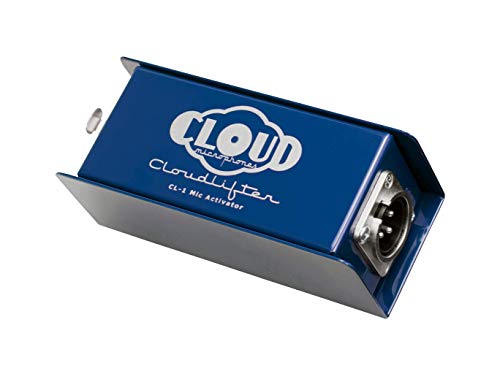
Cloud Microphones - Cloudlifter CL-1 Mic Preamp
Pros
- Crystal-clear audio quality
- Works with many microphone types
- Great choice for podcasting and voice work
Cons
- Price may feel high for some setups
- No direct power source options
- Supports only one microphone
We spent time testing the Cloudlifter CL-1 with our Shure SM7B, and the results were immediately noticeable. The extra gain it provides makes the mic much easier to work with, especially for spoken voice and vocals.
Sound-wise, it delivered clean and professional results. The audio felt tighter and more controlled, which made a big difference in our recordings. As musicians and content creators, that kind of clarity matters a lot when you want studio-level results without fighting noise.
Another big plus is versatility. While it pairs perfectly with the SM7B, it also works well with other low-output microphones like ribbon mics. That makes it a solid addition to a home studio that may grow over time.
Podcast creators in particular will appreciate how consistent and reliable it is. Voices come through clearly and sit nicely in the mix without needing extra fixes later.
Just keep in mind that it only handles one mic at a time and relies on phantom power from your interface. Still, those are small trade-offs. Overall, the Cloud Microphones Cloudlifter CL-1 remains one of the most trusted and effective options for getting the most out of a Shure SM7B.
dbx 580 Mic Preamp

Pros
- Low noise with up to 60dB of gain
- Variable-frequency low-cut filter
- Detail equalization for lows and highs
Cons
- 500 series module, not stand-alone
- Limited flexibility for heavy processing
- No audible distortion (could be a pro)
The dbx 580 worked really well for us when recording vocals. The low-noise performance stands out right away, and connecting it to our mixer was quick and easy. The adjustable low-cut filter helps clean up unwanted rumble, while the low and high detail EQ makes it simple to fine-tune the sound without pushing things too far.
When it comes to the 500-series design, it may feel less familiar if you’re used to stand-alone gear. That said, it’s a smart choice if saving space matters to you. Pair it with a solid 500-series rack and you’re good to go. Features like the 20 dB pad, polarity invert, and +48V phantom power show that dbx focused on the essentials that actually matter in real-world use.
So what’s the takeaway? The dbx 580 is a great option if you want a clean, transparent sound that stays true to the source. It’s not built for heavy shaping, but for vocals or instruments that need light control, it handles the job well. If you’re looking for a reliable and affordable preamp for your Shure SM7B, this one is definitely worth a look.
dbx 286s Preamp

Pros
- Studio-quality processing
- Great value for its price
- Enhances voice and instrument clarity
Cons
- Mild learning curve for new users
- Some setups may still need an external EQ
- Limited to mono processing
The dbx 286s combines a mic preamp and channel strip into one box, which makes it a convenient choice for SM7B users. Everything is laid out for clean signal flow and easy setup, so it fits nicely into both home and small studio setups.
We’ve used the dbx 286s ourselves, and it delivers exactly what it promises. The built-in dbx compression helps keep levels under control, while the adjustable de-esser cleans up harsh highs. The enhancer section adds extra presence and depth to both low and high frequencies, giving recordings a more balanced sound.
There is a bit of a learning curve at first, especially if you’re new to channel strips. Once you spend some time with the controls, though, it becomes easy to dial things in. Depending on your setup, you might still want an external EQ, and since it’s mono only, it’s best suited for vocals and single instruments.
Overall, the dbx 286s is a strong match for the Shure SM7B. It’s budget-friendly, flexible, and gives your recordings a more polished and professional feel without overcomplicating things.
ART Tube MP

Pros
- Budget-friendly
- Lightweight and portable
- Adds a bit of warmth to recordings
Cons
- No power switch
- Can introduce echo with some microphones
- Not as warm as higher-end preamps
We’re always looking for gear that sounds good without costing a fortune, and the ART Tube MP fits that mindset well. It’s a compact, single-channel tube preamp that gets the job done without making things complicated.
What we like most is the subtle warmth it adds to digital recordings. Paired with a Shure SM7B, it gives the mic a little extra body and presence, which can help vocals feel more natural. The small size is another plus. It’s easy to toss into a bag for studio sessions or smaller gigs without dragging around bulky gear.
There are a few trade-offs to keep in mind. The lack of a power switch can be annoying, and some microphones may pick up a bit of echo depending on the setup. The tube character is also fairly light compared to more expensive preamps, so don’t expect heavy coloration.
That said, the ART Tube MP is a solid addition to a basic audio setup. It’s a great starting point if you’re just getting into preamps and want something simple to pair with your Shure SM7B. For the price, it delivers reliable performance with just enough character to make a difference.
Focusrite ISA One

Pros
- Classic Focusrite sound
- Flexible DI channel
- Portable design
Cons
- Slightly pricey
- No built-in EQ
- Not ideal if you want added color in your sound
A good preamp can make a real difference with the Shure SM7B, and the ISA One handles that job well. It delivers the clean, detailed sound Focusrite is known for, along with impedance options that let us fine-tune how the mic responds. That level of control helps get consistent results without much effort.
It works just as well with older microphones as it does with modern ones, keeping the sound clear and natural. The front-panel DI input adds extra flexibility for recording instruments, and the solid metal build makes it dependable for both studio use and live sessions.
There are a few things to consider. The price is higher than many basic preamps, and the lack of built-in EQ means you’ll need other gear if you like shaping your sound early. Also, if you’re looking for a preamp that adds obvious character or color, this may not be the best match.
All things considered, the Focusrite ISA One is a reliable and well-built preamp that pairs nicely with the Shure SM7B. Its clean sound, useful features, and portability make it a solid investment for anyone who wants consistent, professional results.
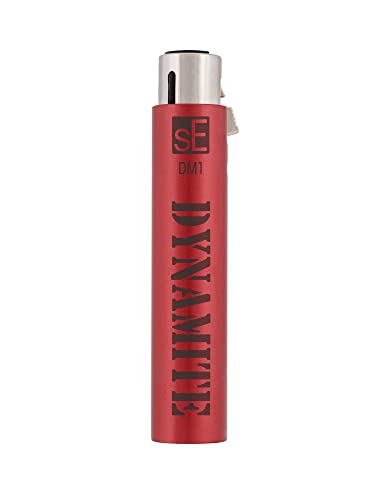
SE Electronics DM1 Dynamite Preamp
Pros
- Compact design
- Budget-friendly
- Delivers clean and consistent gain
Cons
- Needs phantom power
- Limited to 1 channel
- Can pick up electrical noise in some setups
The DM1 Dynamite is an active inline preamp with a slim design, so it fits neatly into almost any setup. You can leave it in your studio chain or bring it along for live use without taking up space.
We like it as a lower-cost alternative to a Cloudlifter. It costs less but still delivers up to 28 dB of clean gain, which is more than enough to wake up a low-output mic like the Shure SM7B. Once it’s in the chain, the difference in level is easy to hear.
You will need 48V phantom power from your interface or mixer for it to work. In some cases, users have noticed electrical noise, though this usually depends on the setup and cable quality. With proper gain staging, that issue is often easy to avoid.
All things considered, the SE Electronics DM1 Dynamite is a simple and effective way to get more out of your Shure SM7B without spending a lot. For the price, it’s hard to beat.
Best Audio Interfaces for SM7B (With Built-In Preamps)
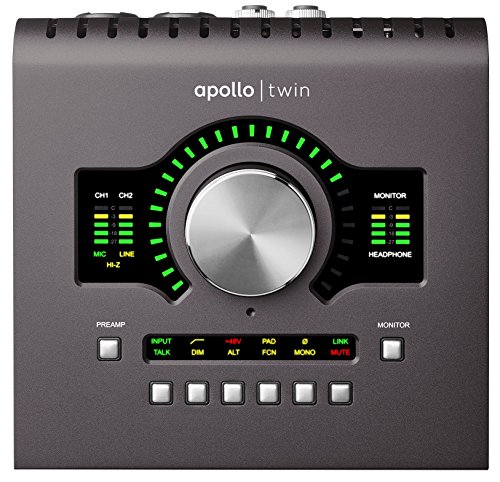
Universal Audio Apollo Twin MKII Duo
Pros
- Premium audio conversion
- Real-time UAD processing
- High-quality build and design
Cons
- Expensive
- Thunderbolt cable not included
If you’re using a Shure SM7B and want an all-in-one interface with strong built-in preamps, the Universal Audio Apollo Twin MKII Duo is a popular choice. The audio quality is excellent, and the real-time UAD processing lets us use high-end plugins while recording without noticeable delay.
The unit feels well-built and reliable, which is what you’d expect at this price point. One thing to keep in mind is heat. It can get fairly warm during extended use, so good airflow around the interface helps. The cost is another factor, since it sits well above entry-level options.
You’ll also need to grab a Thunderbolt cable separately, as it’s not included in the box. Even with those drawbacks, the performance speaks for itself. The Apollo Twin MKII Duo delivers clean gain, detailed sound, and a smooth recording experience that pairs very well with the Shure SM7B.
Check current prices on Amazon for the UAD Apollo Twin X QUAD
Related: UAD Satellite Review: Is More DSP Worth the Money?
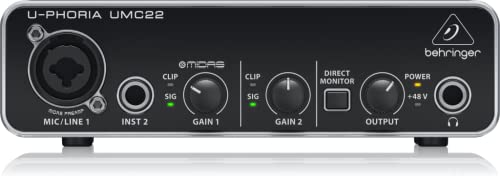
Behringer U-Phoria UMC22
Pros
- Affordable
- MIDAS-designed mic preamp
- Simple and easy to set up
Cons
- Not top-of-the-line sound quality
- Limited features
- No DI box included
The Behringer U-Phoria UMC22 is a good fit if you’re working with a tight budget and want something straightforward. It’s easy to use and doesn’t take long to get up and running. The MIDAS-designed preamp delivers solid sound for the price, which makes it a decent match for a Shure SM7B if you’re just starting out.
This is very much an entry-level interface, so it’s best to keep expectations realistic. You won’t find a lot of advanced features here. That said, it covers the basics well. The combo XLR and TRS input works for your microphone, and the extra instrument input is handy for guitars or keyboards.
We spent some time testing the UMC22, and for the price, it holds up better than expected. The sound is clean enough for podcasts, voice recordings, and simple music projects. The setup is quick, which is a big plus if you don’t want to deal with complicated software or settings.
Overall, the Behringer U-Phoria UMC22 is a solid value option for using a Shure SM7B on a budget. It’s compact, reliable, and easy to use. If you just need a basic interface that works, this one gets the job done.
Behringer U-Phoria UMC202HD

Pros
- Affordable with great audio quality
- Phantom power feature
Cons
- Limited compatibility with Windows 11
- Stereo direct monitoring
The Behringer U-Phoria UMC202HD is a strong option if you want good sound without spending a lot. It uses MIDAS-designed mic preamps and supports up to 24-bit and 192 kHz recording, which is more than enough for vocals, instruments, and basic studio work. It also works with most popular recording software, so getting started is pretty simple.
Setting it up on Windows 11 can take a little patience due to compatibility issues, but once everything is running, recording feels smooth. We found it easy to track vocals, guitars, and other instruments straight into a DAW. The metal chassis gives it a solid feel, and the compact size makes it easy to move around if needed.
There are a few things to keep in mind. The stereo direct monitoring setup may feel limiting if you prefer separate channel control, and you might need to spend some time dialing in the right drivers to get the best performance.
Overall, the Behringer U-Phoria UMC202HD is a good pick for beginners who want reliable sound quality at a reasonable price. It offers a nice balance of features and performance, as long as you’re okay working through a few setup quirks.
How to Choose the Right Preamp for Your SM7B?
When you’re trying to find the right preamp for your Shure SM7B, there are a few key things worth thinking through. Getting this part right makes recording a lot easier and a lot more enjoyable.
Gain Requirements
Start with gain. The Shure SM7B has a low output, so it needs a preamp that can deliver enough clean gain. In most cases, around 60 dB works well. If the gain is too low, your recordings will sound quiet. Push it too far on a weak preamp, and noise starts to creep in.
Budget
Next, think about how much you want to spend. Preamps come in all price ranges, from budget-friendly options to high-end studio gear. Stick to what makes sense for you, but try not to cut corners on sound quality if you can avoid it.
Sound Preferences
Finally, consider the kind of sound you like. Some preamps are very clean and transparent, while others add a bit of warmth or character. Neither is wrong. It really comes down to what fits your voice, your style, and the type of content you’re creating.
Take your time, try a few options if possible, and trust your ears. The right preamp will work with your Shure SM7B, not against it, and help your recordings sound more polished and consistent.
Final Thoughts
Choosing the right preamp for your SM7B really comes down to a few simple things. You want enough gain, a sound you actually like, and a price that makes sense for you. The goal is to find a preamp that fits your setup and works well in the space where you record.
It also helps to think about how the preamp fits into your workflow. Does it give you the control you need? Does it pair well with your gear? Paying attention to details like impedance and overall tone can make a noticeable difference in how your recordings turn out.
From our experience, the best way to decide is to trust your ears. If you can, try a few options and spend some time adjusting the settings. Once you find a preamp that feels right with your Shure SM7B, recording becomes smoother and a lot more enjoyable.
If you’re still building out your setup, my home recording studio equipmnt list is a helpful place to get a full overview of what you might need as your studio grows.
Frequently Asked Questions
Do I really need a mic preamp?
Yes, you do need a mic preamp for the Shure SM7B. This microphone has a low output level, so a preamp is needed to boost the signal to a usable level without adding noise. Without one, your recordings will sound quiet and thin, even with the gain turned up.
What is the best gain setting for the Shure SM7B?
Around 60 dB of clean gain works best for the Shure SM7B. This amount gives you a strong, clear signal without pushing the preamp into noisy territory. The exact setting may vary slightly depending on your voice and recording style.
How do you increase gain on a Shure SM7B?
The best way to increase gain on the SM7B is to use an external preamp or an inline signal booster like the Cloudlifter CL-1. These devices raise the signal before it reaches your audio interface, which helps improve clarity and reduce noise.
Do I still need a preamp if I use a Cloudlifter?
Yes, you still need a preamp even if you use a Cloudlifter. The Cloudlifter adds clean gain, but it does not replace a preamp. Your audio interface or outboard preamp is still required to properly amplify and process the signal.
Does the Shure SM7B need phantom power?
No, the Shure SM7B does not need phantom power. It is a dynamic microphone and works without external power. However, inline boosters like a Cloudlifter do require phantom power to operate, even though the microphone itself does not.